
Marketing to the Machine: A2A Commerce SEO Guide 2026 explains how brands can optimize for AI-driven search, semantic SEO, and A2A discovery.
Futuristic digital marketing dashboard showing AI agents exchanging data for A2A commerce with Nexaireach logo at bottom right.
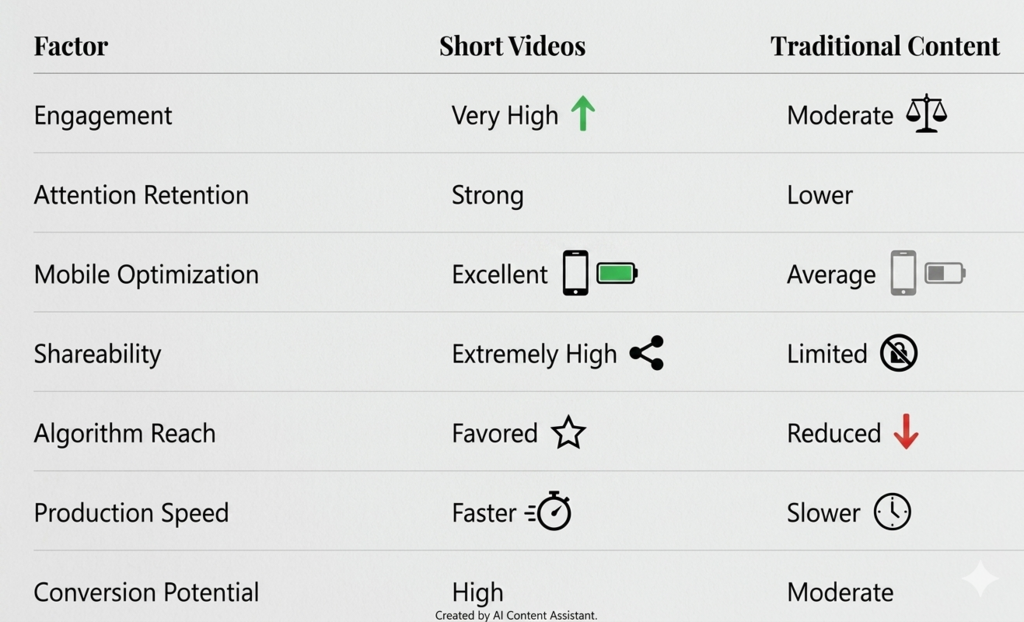
Comparison table showing differences between traditional SEO and AI SEO strategies for Agent-to-Agent commerce.
Three months ago, a SaaS founder noticed something strange.
Traffic from Google was stable. Rankings were decent. Leads were coming in.
But suddenly, a new type of conversion started appearing in the analytics dashboard.
People weren’t reading ten blogs before buying anymore.
They were asking AI assistants for recommendations.
One prospect later admitted:
“I never searched manually. My AI assistant compared vendors and recommended your company because your content was easier for machines to understand.”
That single sentence revealed where digital marketing is heading.
We are entering the era of Agent-to-Agent (A2A) commerce.
In this new ecosystem, AI systems talk to other AI systems.
They research products, compare pricing, evaluate reviews, summarize content, and recommend businesses before a human even visits a website.
That means businesses are no longer optimizing only for humans or Google.
They are optimizing for machines.
At nexaireach, we believe this shift will redefine SEO, content marketing, and digital visibility faster than most brands realize.
To dominate modern search visibility, businesses must combine:
Strong SEO fundamentals
Human-first content
AI-readable formatting
Semantic SEO
E-E-A-T optimization
Trust and authority signals
Engagement optimization
The brands that adapt first will dominate both search engines and AI-powered discovery systems.
Agent-to-Agent commerce refers to a digital environment where AI assistants and intelligent systems communicate with each other to help users make decisions.
Instead of users manually comparing websites, machines now do most of the work.Here’s a simple example.
A user asks an AI assistant:
“What’s the best SEO platform for SaaS startups?”
The AI assistant then:
Scans websites
Reads reviews
Compares pricing
Evaluates trust signals
Checks schema data
Reviews topical authority
Summarizes the best options
Another AI system on the business side may respond with:
Product details
Case studies
Technical documentation
Customer support information
Structured product feeds
The user receives a final recommendation instantly.
That is A2A commerce.
Traditional SEO still matters.
Search engines like Google continue rewarding:
Quality content
Backlinks
Technical optimization
User engagement
Helpful information
But modern discovery systems such as ChatGPT, Gemini, Claude, Copilot, Grok, Kimi, Qwen, Mistral, Minimax, and MiMo are changing how people interact with information.
Instead of searching:
“SEO agency Chennai”
Users now ask:
“Which SEO agency is best for AI-driven organic growth?”
That changes everything.
AI assistants summarize answers directly.
If your content is poorly structured, generic, or difficult for machines to understand, your brand may never appear in recommendations.
That is why AI SEO has become essential.
Modern SEO begins with understanding search intent.
Intent Type | Example Query |
Informational | What is A2A commerce? |
Commercial | Best AI SEO tools for startups |
Transactional | Buy AI SEO software |
Navigational | Open Google Search Console |
Weak titles like:
“SEO Tips”
Rarely perform well now.
Instead, use high-intent titles such as:
“How AI Assistants Choose Which Brands to Recommend”
“10 SEO Techniques That Increased Organic Traffic by 200%”
“Why Most AI SEO Strategies Fail in 2026”
These titles improve:
Click-through rates
Engagement
AI summarization probability
Search visibility
The first 100 words determine whether users continue reading.
The best-performing introductions use:
A strong introduction should:
Address a pain point
Create curiosity
Mention consequences
Offer a solution
This increases dwell time, which still matters for rankings.
AI systems love structured content.
Use:
H1 for title
H2 for sections
H3 for subtopics
H4 for supporting ideas
Bullet points
Tables
FAQs
At nexaireach, we consistently see higher engagement from blogs that use short paragraphs and machine-readable formatting.
Use tools like:
Ahrefs
SEMrush
Ubersuggest
Google Keyword Planner
Prioritize:
Long-tail keywords
Conversational searches
Question-based queries
Low competition opportunities
Instead of targeting:
“AI SEO”
Target:
“How to optimize content for AI-powered search engines”
This matches modern conversational search behavior.
Include keywords naturally in:
Title tag
URL
First paragraph
H2/H3 headings
Meta description
Image ALT textKeep meta descriptions:
Internal linking improves:
Link to:
Google and AI systems trust connected content ecosystems.
Google still rewards fast websites.
Use:
Compress images using:
Check performance using:
Mobile optimization is equally critical.
Ensure:
AI assistants prefer direct answers.
AI SEO is the process of optimizing content so AI-powered search engines and assistants can understand, summarize, and recommend it.
This format improves:
Avoid unnatural repetition.
Instead, use related phrases such as:
Modern AI systems understand concepts better than keyword density.
Mention recognized entities naturally.
Examples include:
Google increasingly prioritizes:
Include:
Thin AI-generated content without experience rarely performs long term.
Schema helps machines understand content more effectively.
Use:
Helpful plugins:
These improve visibility in:
Use:
These tools reveal:
Popular tools include:
These help with:
Human editing remains essential.
Use:
These tools improve:
Recommended platforms:
These identify:
The biggest ranking priorities now are:
Brands focusing only on keywords will struggle.
The future belongs to brands creating genuine value.
Google and AI systems increasingly prefer:
Generic content is everywhere now.
Originality is becoming a competitive advantage.
Refreshing old blogs can dramatically improve rankings.
Freshness matters more than ever.
Infographics
Videos
Charts
Interactive tools
Reels
This is one reason nexaireach focuses heavily on multimedia-driven SEO campaigns.AI SEO
Google and AI assistants trust topic depth.
Machines prefer:
Value beats keyword density.
Yes. AI-assisted content can rank extremely well if it is original, structured, edited properly, and backed by real expertise.
AI assistants summarize and recommend content directly. Structured content improves discoverability in AI-driven search systems.
Publishing generic content without originality, authority, structure, or topical depth.
Modern AI systems evaluate:
A2A commerce is not a future trend.
It is already happening.
Businesses that continue optimizing only for traditional search engines will slowly lose visibility in AI-driven discovery environments.
The future belongs to brands that become:
To succeed in modern SEO:
The best-performing blogs today are:
At nexaireach, we help brands prepare for the next generation of AI-powered discovery systems before competitors even realize the shift has begun.
Want your business to rank not only on Google but also inside AI assistants like ChatGPT, Gemini, Claude, Copilot, and Grok?
Now is the time to optimize for Agent-to-Agent commerce.
Audit your content for:
The sooner your brand learns to market to machines, the faster machines will recommend your brand to humans.
Contact nexaireach today to build an AI-first SEO strategy designed for the future of search.